
 Miscarriage Support
A miscarriage can take hours, days or even weeks to unfold. The following are examples of types of miscarriage you may experience.
Very Early Miscarriage
Very early miscarriage, which is common – guessed at as up to 50% of all miscarriages – is a pregnancy that ends soon after implantation, sometimes only a few days later. You may not even have been aware that you were pregnant. This early loss is medically referred to as a ‘Chemical Pregnancy’ and it would once have gone undetected without the ultra sensitive pregnancy tests now on the market. This makes it easier to get a positive result 3 or 4 days before your period is due. If a home pregnancy kit showed faintly positive, it was not a false pregnancy test. It was evidence that conception had taken place.
Clinical Pregnancy
The medical term changes to ‘Clinical Pregnancy’ when a baby continues to develop normally but miscarries before it would be visible on an ultrasound. This is usually at around 5 or 6 weeks gestation or within about a week of a missed period. When your period does arrive, it can be late and is usually heavier than normal.
First pregnancies are the ones most associated with baby loss. It is often extremely dismaying, confusing and sad to have a miscarriage confirmed, even this early in a baby’s development, when the implications of life’s changes were just sinking in. For those who had particularly looked forward to having a baby, especially any couples with infertility problems or for women who are recurrent miscarriers, it can be devastating. (see ‘grief’ section)
Missed Miscarriage
Missed miscarriage (also called ‘missed abortion’) is usually early in the pregnancy. You may have no warning symptoms and discover through a routine scan that your baby has no heartbeat, the result of a non-viable foetus. If there is an empty foetal sac (called a ‘blighted ovum’) the egg was fertilized and attached itself to the uterine wall. Unfortunately, even though it might have kept growing for a few weeks, no embryo ever developed.
Threatening Miscarriage
Threatening miscarriage may be experienced for days or even weeks before you lose the baby. At this stage you could experience any of the following:
- Light bleeding.
- Pain similar to period pain.
- Cramps
- The nausea and tender breasts associated with pregnancy may disappear.
- A sense of no longer ‘feeling’ pregnant.
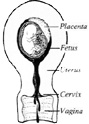 About 40% of bleeding episodes occur during early pregnancy, usually at 5 to 7 weeks, and is spotting (normally dark blood) at about the time your period would have been due. Sometimes a small amount of blood is lost when the placenta matures at about 7 weeks and takes over the progesterone production. This can be frightening but is quite common. In most cases your pregnancy will continue as normal without harming the baby at all. These situations only lead to a miscarriage in 20% of cases.
At times a diagnosis can be incorrect. Quote from Dr. Mark Stegmann, surgical services clinical director Whanganui DHB, NZ Herald 14.03.15; ’But a definitive diagnosis of miscarriage should not usually be made without confirmation, either by a repeat blood test some days later or an ultra-sound scan’.
Sometimes, if the corpus luteum is not functioning properly and is therefore not making adequate amounts of progesterone, you will miscarry.
Inevitable Miscarriage
 This is occurring when the cervix opens and the placenta breaks free from the uterine wall.
You will experience some or all of the following symptoms which need to be reported to your LMC (Lead Maternity Carer).
The most common signs are:
- Sudden absence of ‘morning sickness’ and breast tenderness
- Intuitively no longer feel pregnant.
- Faintness and nausea and general feeling of being unwell.
- Pain is like bad period pain or birth contractions.
- Persistent heavy bleeding filling more than 1 sanitary pad in half an hour.
- Passing pieces of placenta which look like blood clots or liver.
- An unusual odour from the lost blood
- You may see the foetus.
- If your miscarriage is due to an incompetent cervix, (from 16 weeks on) everything will happen very quickly and your baby may be born alive. (An incompetent cervix can be treated later by a cervical stitch to save future pregnancies)
Incomplete Miscarriage
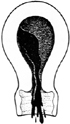 When some placenta remains inside the uterus you will probably experience fever and chills, pain or there is an odour. Check with your medical professional as you may have an infection which requires hospital treatment. Each hospital have their own policy which could be;
- wait and see monitoring
- offer/require a scan
- tablets to induce a normal delivery
- sometimes suction is used along with scraping (this procedure can be uncomfortable, so pain medication or anesthetic medications are often used)
- or a dilation and curettage (D&C) operation requiring a general anesthetic and you may need to be hospitalised for a few hours or possibly stay overnight.
Afterwards you could be given antibiotics and/or medication to minimise bleeding. If not treated, an incomplete miscarriage can make you very ill and may also have an effect on future pregnancies. The primary goal of treatment during and after a miscarriage is to prevent hemorrhaging and infection. Incomplete miscarriage occurs most commonly between 6 and 12 weeks of pregnancy.
Complete Miscarriage
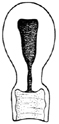 The earlier you are in the pregnancy, the more likely that your body will complete the miscarriage on its own.
Once the uterus is empty the cervix closes, the pain stops and the bleeding slows down and should stop by seven days.
N.B. See ‘incomplete miscarriage’ above and Medical FAQ if you continue to bleed after that time.